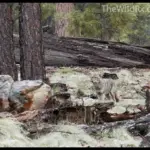


The wild horses of Arizona: History, controversy, and viewing guide

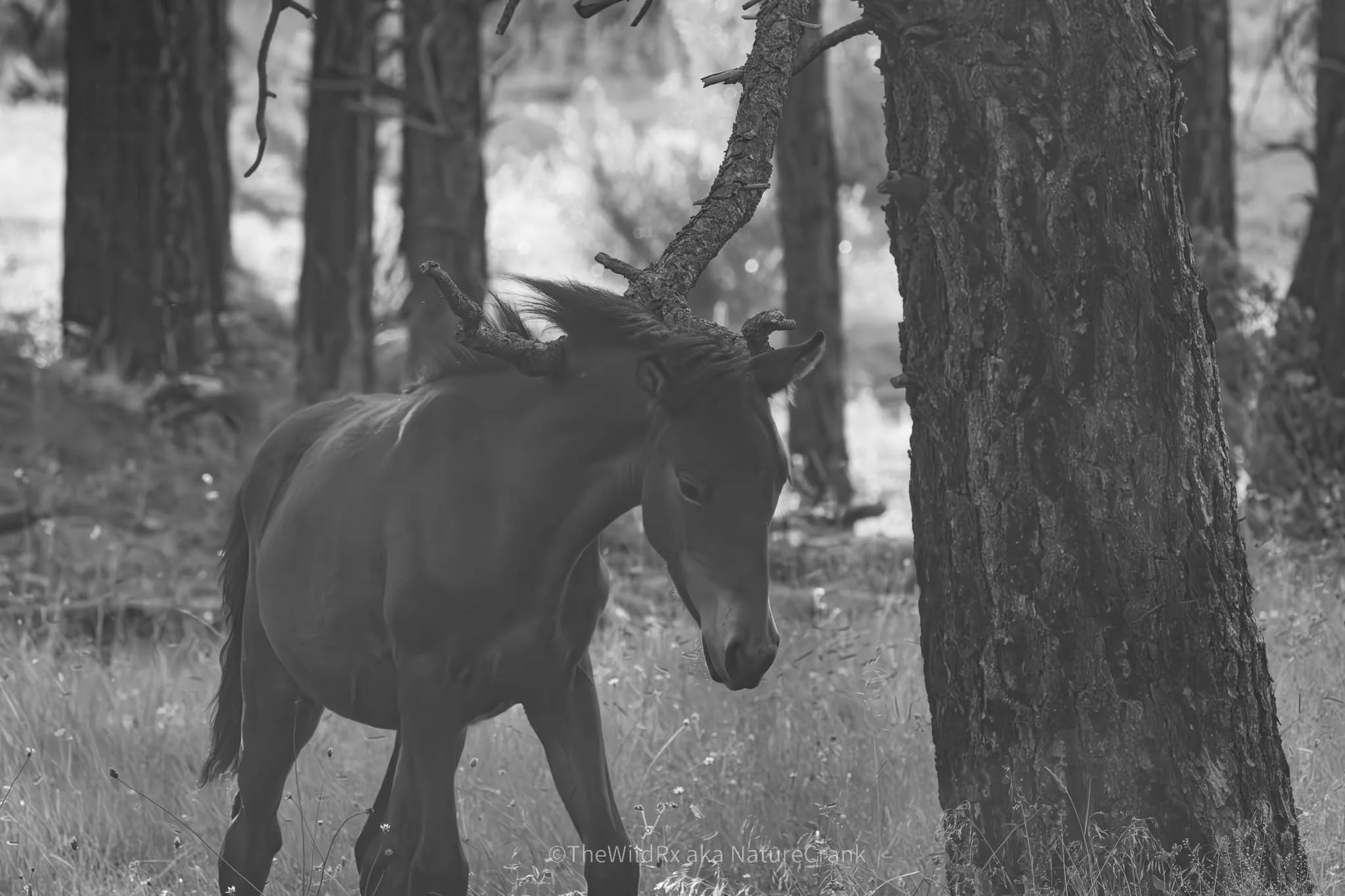
Arizona’s wild horses carry a long and complicated history. Some people admire them as symbols of freedom, while others view them as ecological competitors. These free‑roaming horses are believed to descend from Spanish explorers who brought them to the region in the 16th century. Over the centuries, they have adapted to Arizona’s diverse landscapes — from desert scrublands to forested high country like in Heber and Forest Lakes to the riparian corridors along the Salt River.
⚠️ Current Status (Jan 2026): Some areas of the Salt River are under temporary closure due to VSV. Check with the Tonto National Forest before heading out.
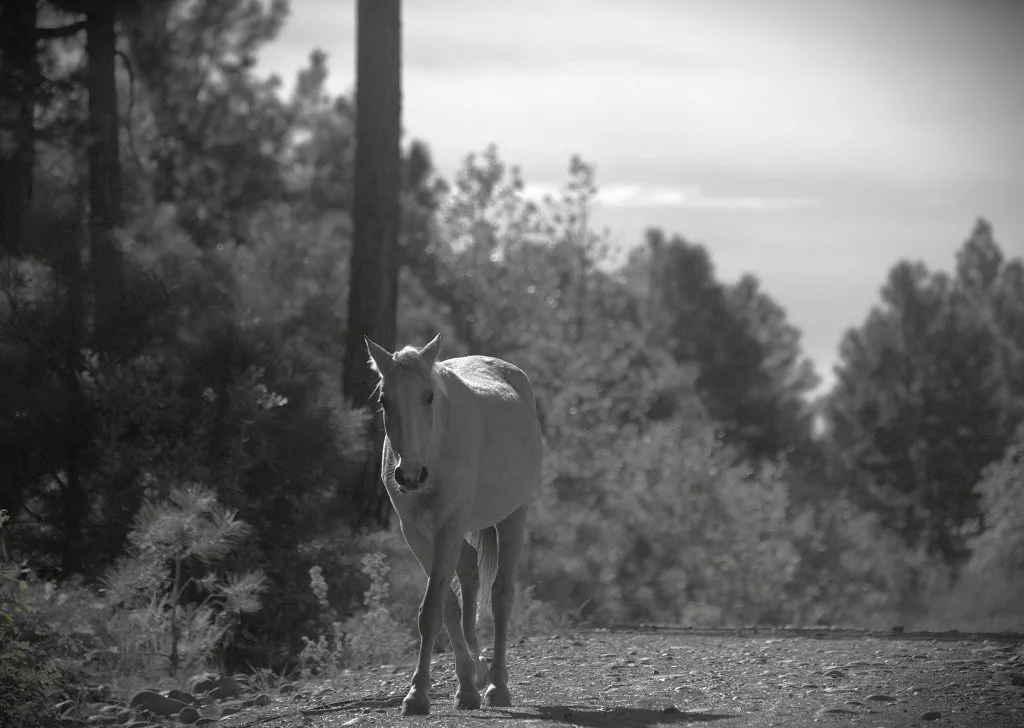
Arizona wild horses: history, controversy, and conservation of an iconic western herd
Free-roaming equines of Arizona have become one of the most debated and beloved symbols of the American West. To some, they represent freedom, heritage, and natural beauty. To others, they are an ecological challenge competing with native wildlife and livestock. Regardless of perspective, these horses have a long, complex history in the region — and their future depends on careful management and public understanding.
Origins of Arizona’s wild horses
Most historians and wildlife experts believe that Arizona’s wild horses descend from Spanish explorers who brought horses to the Southwest in the 16th century. Over time, escaped or released horses formed free‑roaming herds that adapted to Arizona’s rugged landscapes. The history of wild horses in the Southwest is probably strongest in Arizona.
Today, these horses can be found in several regions, but the most famous are the Salt River wild horses, which roam the riparian corridors and desert scrublands east of Phoenix. They can be found on state, U.S. Forest Service, and BLM lands.
How they adapted to Arizona’s harsh environments
Arizona’s climate is diverse, ranging from scorching desert valleys to cool mountain forests. Wild horses have learned to survive in:
- Desert scrublands — where forage is sparse and temperatures soar
In these arid regions, wild horses rely on efficient water conservation, often going long periods without drinking by obtaining moisture from grasses and desert plants. Their large lungs and strong cardiovascular systems help them travel long distances in search of food. They also shift their activity patterns, grazing more during cooler dawn and dusk hours to avoid extreme heat.
- Pine forests — offering seasonal grazing and shelter
In higher elevations, wild horses take advantage of shade, cooler temperatures, and diverse vegetation such as grasses, forbs, and young shoots. Their thick winter coats grow in quickly, allowing them to withstand cold nights and snow. These forests also provide natural windbreaks and protection from predators.
- Riparian zones — such as the Salt River, where water and vegetation are more abundant
These lush corridors support year‑round grazing, access to fresh water, and a variety of nutrient‑rich plants. Horses in riparian areas develop strong swimming abilities, often crossing rivers to reach new grazing patches or escape threats. The softer ground also encourages healthier hooves, which naturally wear down through constant movement.
Beyond these specific habitats, wild horses have developed several broader survival traits:
- Highly social herd structures that improve protection, resource sharing, and foal survival
- Acute senses — especially hearing and smell — allowing them to detect predators or human activity from long distances
- Constant movement patterns, sometimes covering dozens of miles per day, which prevent overgrazing and help them locate scattered resources
- Flexible diets, enabling them to switch between grasses, shrubs, and even tree bark during droughts
Their ability to thrive in such varied ecosystems is a testament to their resilience.
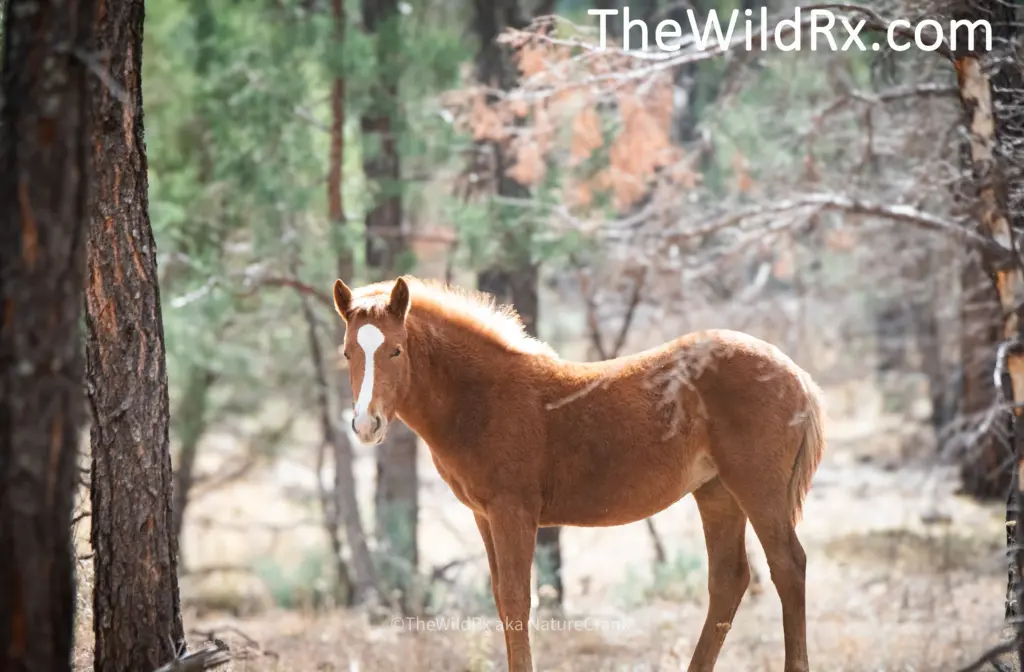
Challenges facing Arizona’s wild horses
Despite their adaptability, wild horses face significant threats that impact their long‑term survival.
1. Drought and water scarcity
Arizona’s ongoing drought cycles reduce the available forage and water sources. Horses must travel farther and compete more intensely for resources.
2. Habitat loss
Urban expansion, recreational use, and land development continue to shrink the areas where horses can safely roam.
3. Human interference
Feeding, approaching, or attempting to interact with wild horses can disrupt natural behaviors and increase the risk of injury — both for humans and the animals. Because many herds are accessible by car or short walks on easily accessible backpacking trails, human interference is a more frequent challenge than in more remote wilderness areas.
4. Ecological and livestock conflicts
Some ranchers and conservationists argue that wild horses:
- Compete with cattle for grazing
- Damage sensitive riparian habitats
- Disrupt native species such as deer, bighorn sheep, and birds
Others counter that horses are part of Arizona’s cultural heritage and should be protected.
5. Illegal killings and past violence
Arizona has faced tragic incidents where wild horses were intentionally harmed or killed. These events sparked public outrage and led to stronger protections and monitoring programs.
6. Health challenges: Vesicular Stomatitis Virus (VSV)
As of early 2026, Arizona has seen a significant outbreak of VSV. In January 2026, authorities issued temporary closure orders for certain areas of the Lower Salt River to protect both wild and domestic horses. This virus causes painful lesions and can be spread by biting insects, making monitoring and public cooperation more vital than ever.
Enjoying the scenery? Explore our full Black and White Gallery
and Color Collection of Arizona’s wild herds.
The controversy: love, conflict, and cultural identity
Few wildlife topics in Arizona generate as much passion as wild horses. The debate often centers on:
- Environmental impact
- Public land use
- Cultural symbolism
- Animal welfare
- Livestock grazing rights
Supporters see the horses as living history — a reminder of the state’s frontier past. Critics argue that unmanaged herds can damage fragile ecosystems.
Both perspectives shape ongoing policy decisions.
Conservation and management efforts
Arizona has implemented several programs to balance ecological health with humane treatment of wild horses. These efforts focus on monitoring herd numbers, protecting sensitive habitats, and reducing conflicts with livestock and native wildlife.
State agencies and nonprofit groups work together to track population trends, provide emergency resources during drought, and ensure that horses have access to safe grazing areas without over‑impacting the land.
Modern management also emphasizes non‑lethal strategies, such as fertility control, habitat restoration, and public education campaigns that teach visitors how to observe wild horses responsibly. Through these coordinated programs, Arizona aims to preserve the horses’ cultural significance while maintaining the long‑term health of the ecosystems they depend on.
Salt River Wild Horse Management Group
Agencies such as the Salt River group and other nonprofit organizations work with state and federal agencies to:
- Monitor herd health
- Provide supplemental feed during extreme drought
- Rescue injured or orphaned horses
- Manage population growth through fertility control
Their efforts have become a model for non‑lethal, community‑supported wild horse management.
State and federal involvement
Agencies such as the Arizona Department of Agriculture and the U.S. Forest Service collaborate on:
- Habitat assessments
- Population surveys
- Public education
- Enforcement of anti‑harassment laws
These partnerships aim to protect both the horses and the ecosystems they inhabit.
Why Arizona’s wild horses matter
Beyond their beauty, wild horses play a role in:
- Tourism — attracting photographers, hikers, and wildlife enthusiasts
- Cultural identity — symbolizing freedom and the Western spirit
- Local economies — supporting outdoor recreation businesses
Their presence enriches Arizona’s natural and cultural landscape.
The future of Arizona’s wild horses
Ultimately, the fate of these iconic animals rests on a delicate balance: science-based management, continued conservation funding, and a public that respects their wild nature. They remain a powerful, controversial, and undeniably captivating part of Arizona’s identity.
Frequently asked questions about Arizona wild horses (FAQ)
Explore the Gallery
If you’ve enjoyed learning about these iconic animals, see them in action through my latest photography collections:
Discover more from The Wild Rx aka NatureCrank™
Subscribe to get the latest posts sent to your email.